Vibrant times for interstate transmission system

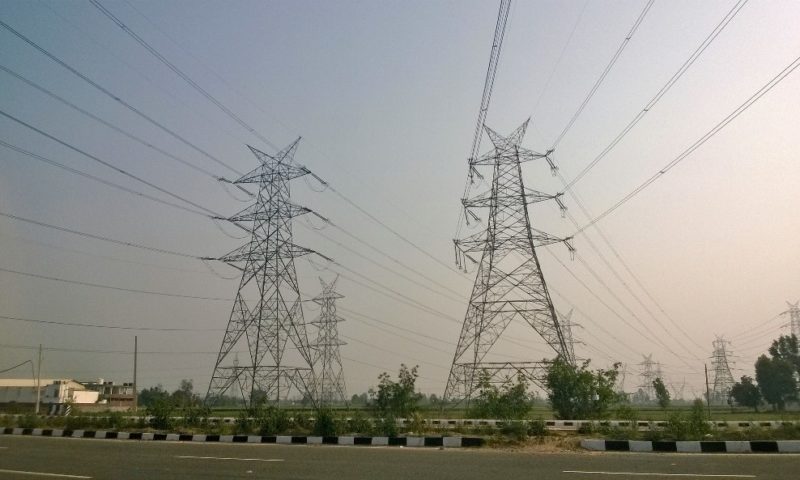
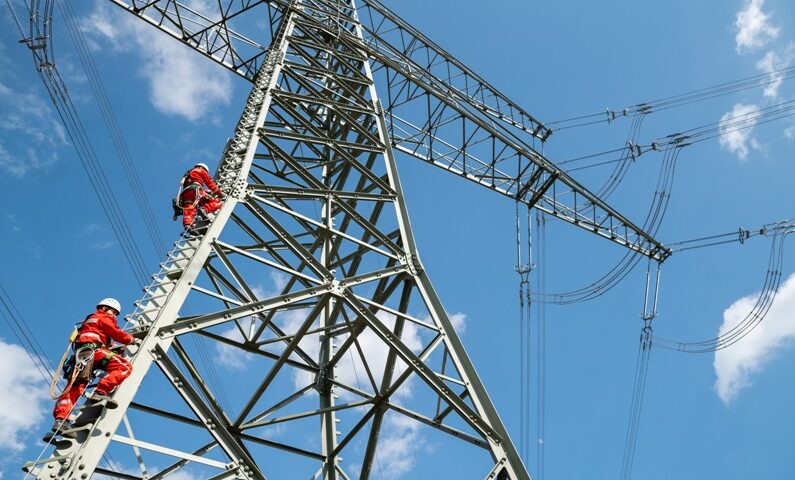
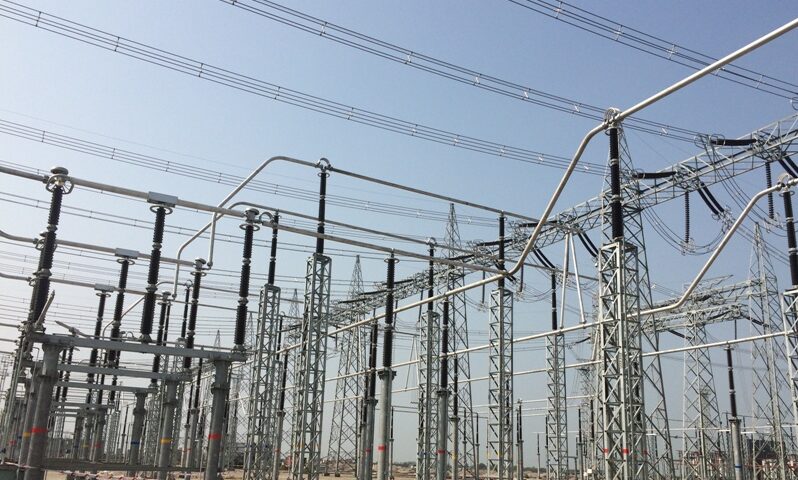
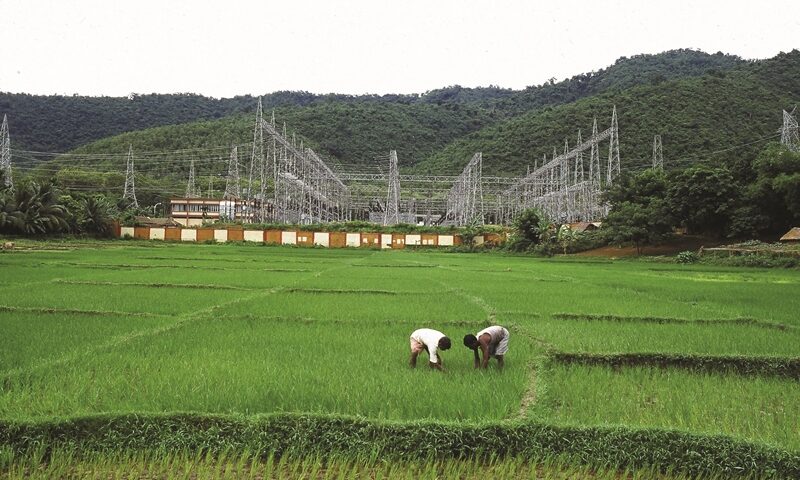
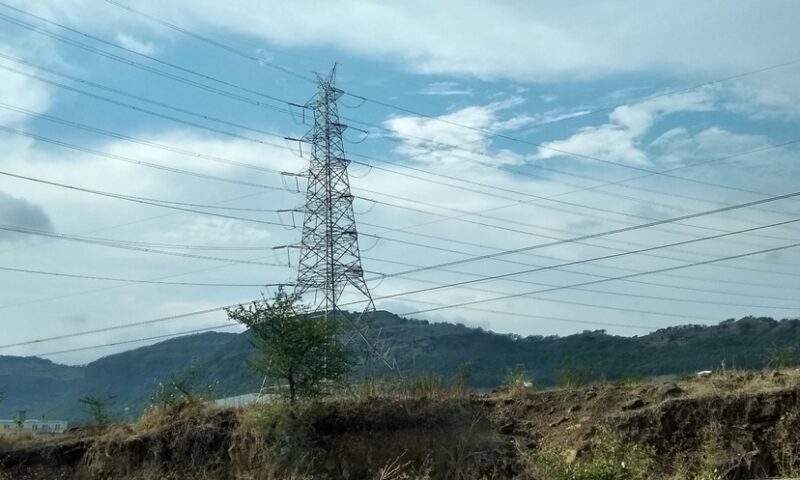
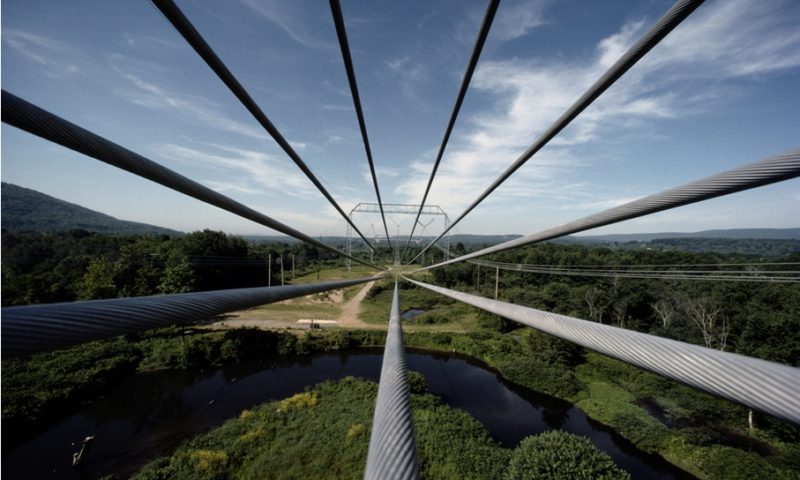
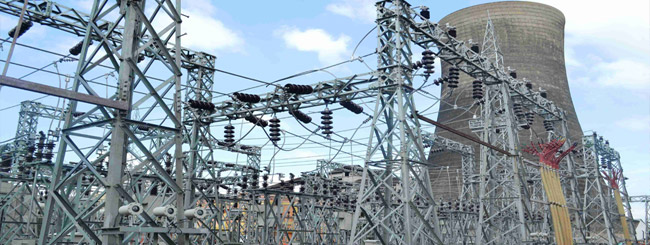
The current fiscal year, and in particular the past two months, has seen much buoyancy in the interstate transmission system (ISTS) network expansion, under the tariff-based competitive bidding (TBCB) mode.


In the first five months of FY25, a record number of 13 schemes were formally awarded to successful developers. At least four more ISTS-TBCB schemes are likely to come up for award in the coming weeks. Going by the robust bidding pipeline, it strongly appears that FY25 will record the maximum activity in the ISTS-TBCB space – not just in terms of schemes awarded but also in terms of aggregate estimated cost.


In FY24, around 23 ISTS schemes envisaged total outlay of around Rs.45,000 crore were formally transferred to their successful bidders chosen under the TBCB modality.


There have been some radical shifts in the ISTS-TBCB market this year. In FY24 and in the 2-3 preceding years, much of the ISTS schemes awarded under the TBCB route pertained to evacuation of renewable energy (RE), predominantly from Gujarat and Rajasthan. On the other hand, in FY25, while RE evacuation would be the bedrock of the ISTS-TBCB edifice, there would be sprinklings of unprecedented activities like RE evacuation for green hydrogen/ammonia projects, RE transmission for feeding pumped storage schemes, evacuation of nuclear power generation, etc.


More significantly, India’s maiden project for evacuation from offshore wind farms in Gujarat and Tamil Nadu, is likely to be awarded towards the end of FY25. However, this would not be on TBCB basis but under the regulated tariff mechanism (RTM), awarded to Power Grid Corporation of India Ltd (PGCIL). Nevertheless, future schemes for offshore wind energy transmission might fall under the TBCB philosophy, based on learning derived from the initial projects.


Another striking feature of the ISTS-TBCB market is the growing diversity of the developer base. While PGCIL is seen retaining its traditional market share of 50-60 per cent, the remaining market is well distributed between medium and large private entities. It is also worth observing that well-established private power utilities like Tata Power and Torrent Power are actively participating in the bidding process, and have even recorded their first wins. Entities like Techo Electric, Apraava Energy and G R Infraprojects are also making their presence felt in the ISTS development space.  It is noteworthy that today the developer base of under-construction ISTS-TBCB projects comprises around 12 players, which is by far the largest seen so far.


While the TBCB philosophy is working well for ISTS development, it must be strongly encouraged at the intrastate level as well. Despite the criticism that TBCB modality might have attracted, it has by now earned a 14-plus year track record of projects commissioned in a cost-effective and time-bound manner.


The author of this article, Venugopal Pillai, is Editor, T&D India. He can be reached on venugopal.pillai@tndindia.com. Views are personal.

Rethinking E-Reverse Auctions

It is reliably learnt that the Union ministry of new & renewable energy (MNRE) is planning to do away with the process of e-reverse auctions (e-RA) for renewable energy projects – mainly wind and solar.


The rationale behind this proposed move is to remove the unhealthy competition that the bidding process potentially witnesses, due to the e-RA element.


In a typical solar or wind project that is awarded through the competitive bidding mechanism, bidders submit their price bids and are ranked in terms of the tariffs quoted. This gives rise to the L1 bidder – the one with the most competitive bid – followed by the succeeding L2, L3, etc. In the context of tariff-based bidding, the L1 bidder is the one quoting the lowest tariff at which he is willing to sell power generated from the project under bidding.


Once the initial price bid submission is completed, bidders undergo the e-RA round where every bidder is given a chance to match the L1 bid. It is here that aggressive bidding by all bidders, including the L1 bidder, kicks in. The price bids after the e-RA process, due to the fierce competition, undergo a dramatic shift.


The final winner (after the e-RA process) could be any of the bidders, not necessarily the L1 bidder, and the winning tariff could be way below the L1 bidder’s quote.


Such aggressive bidding, where tariffs could border on non-viability, might suit the power procurement agency. However, the potential situation of bidders offering “rock-bottom” quotes simply with the objective of winning a project is not in universal interest. Time and cost overruns, which are ingrained in any project, can result in a situation where the developer simply cannot honour the tariffs committed. If this happens, the entire downstream value chain gets adversely impacted.


E-reverse auctions are part of any power procurement drive, including power transmission projects that are awarded under the tariff-based competitive bidding (TBCB) route. Unrealistic aggression witnessed in the e-RA stage may result in established bidders staying away from the bidding process, even after submission of their initial price bids. It is roughly estimated that final bids (post e-RA) are 20 per cent lower than the L1 bid.


All said, the e-RA process is aimed at bringing tariffs to the lowest level possible. There is nothing wrong or unacceptable in this philosophy. However, any effort made to keep the final bids within the realms of viability, is always welcome.


Scrapping the e-RA routine is also not a bad idea. Bidders are well aware of the competitiveness and would yet work out their price bids keeping in mind project-specific factors. Such well-derived price bids, one can assume, would be viable as they are not the result of unrealistic last-minute aggression.


(The author of this article, Venugopal Pillai, is Editor, T&D India, and may be contacted on venugopal.pillai@tndindia.com. Views are personal.)